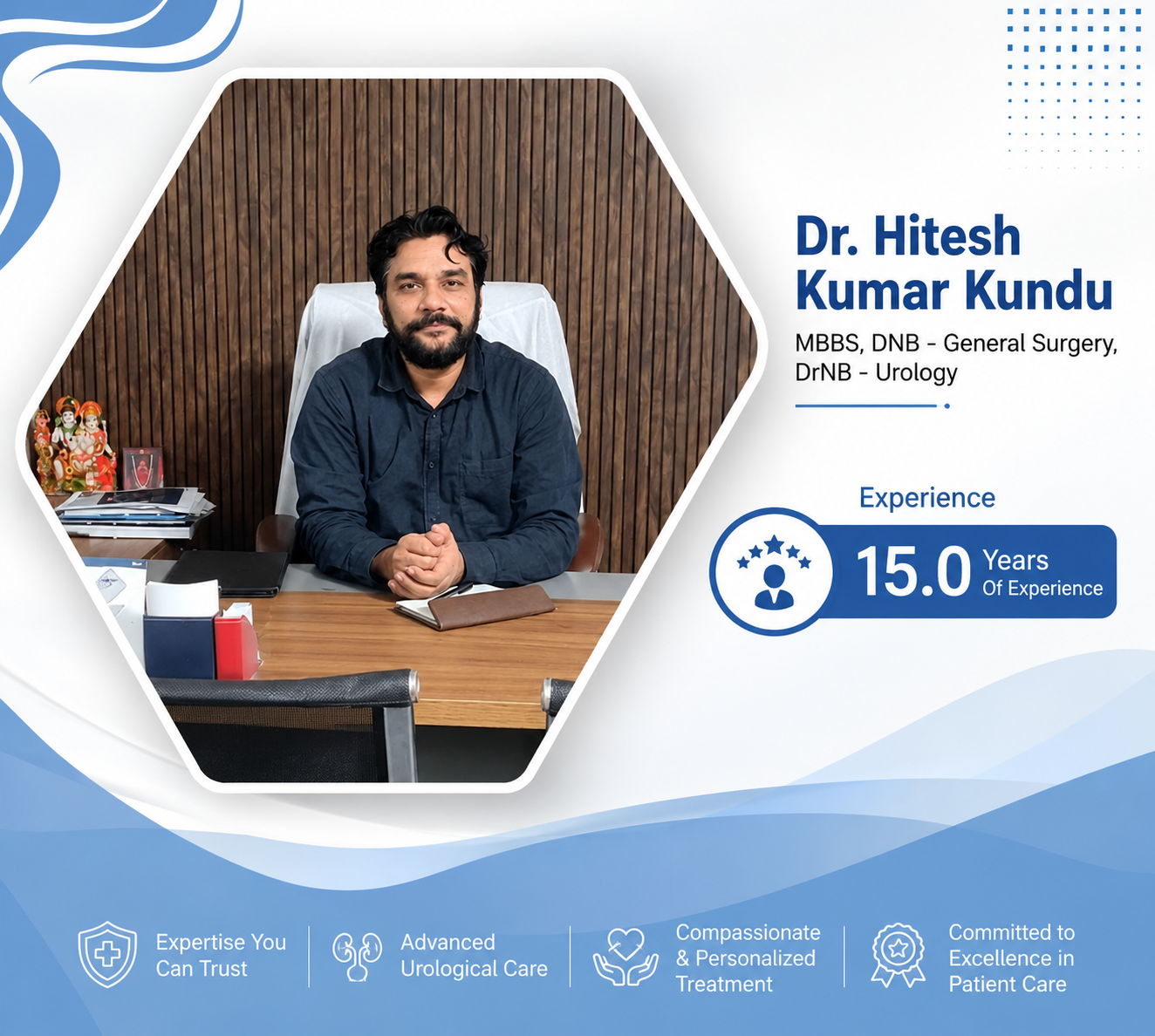
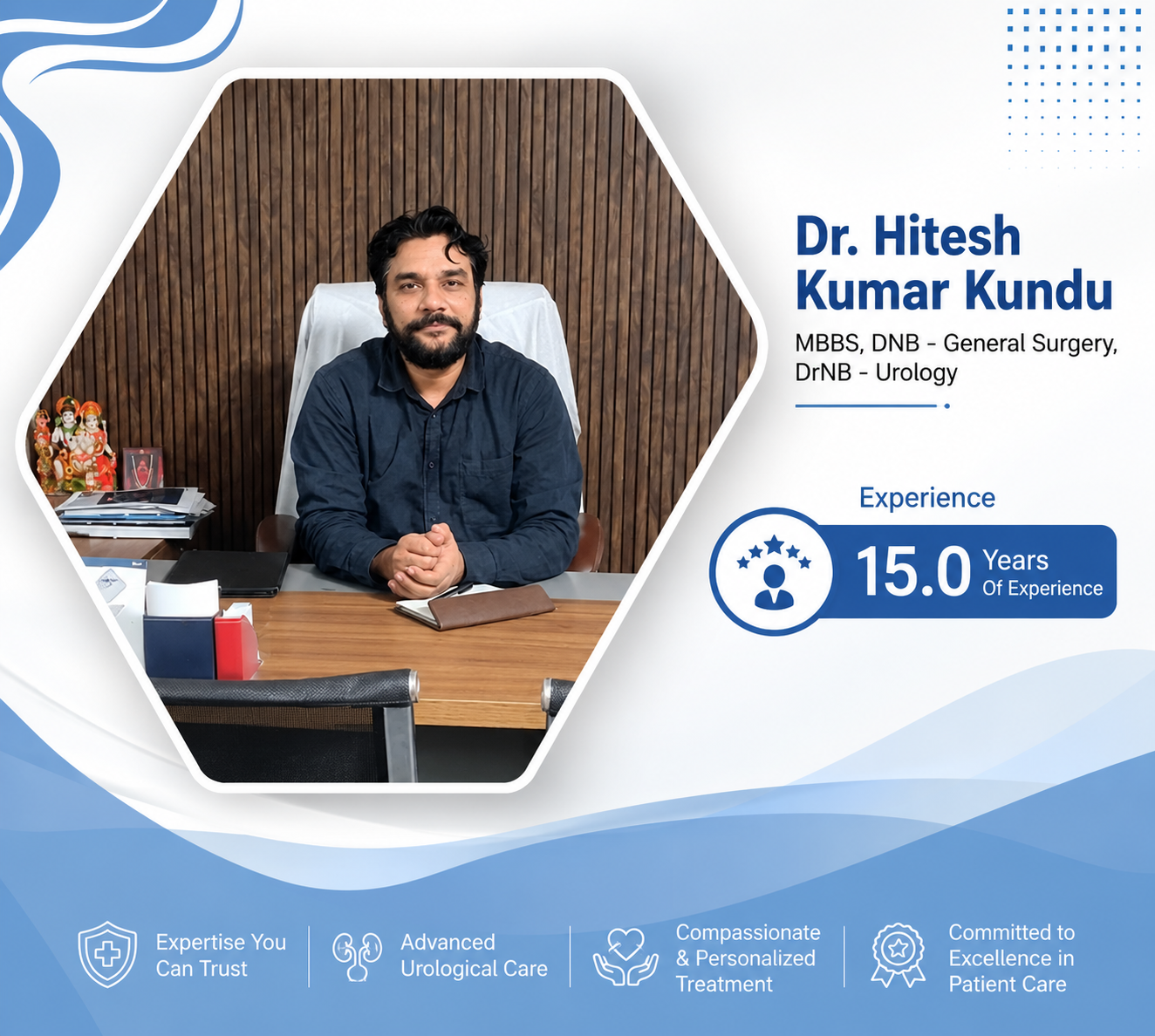
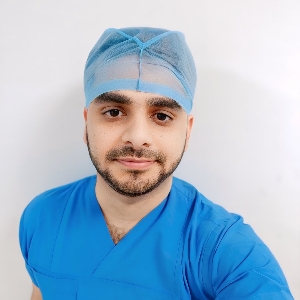
Dr. Hitesh Kumar Kundu
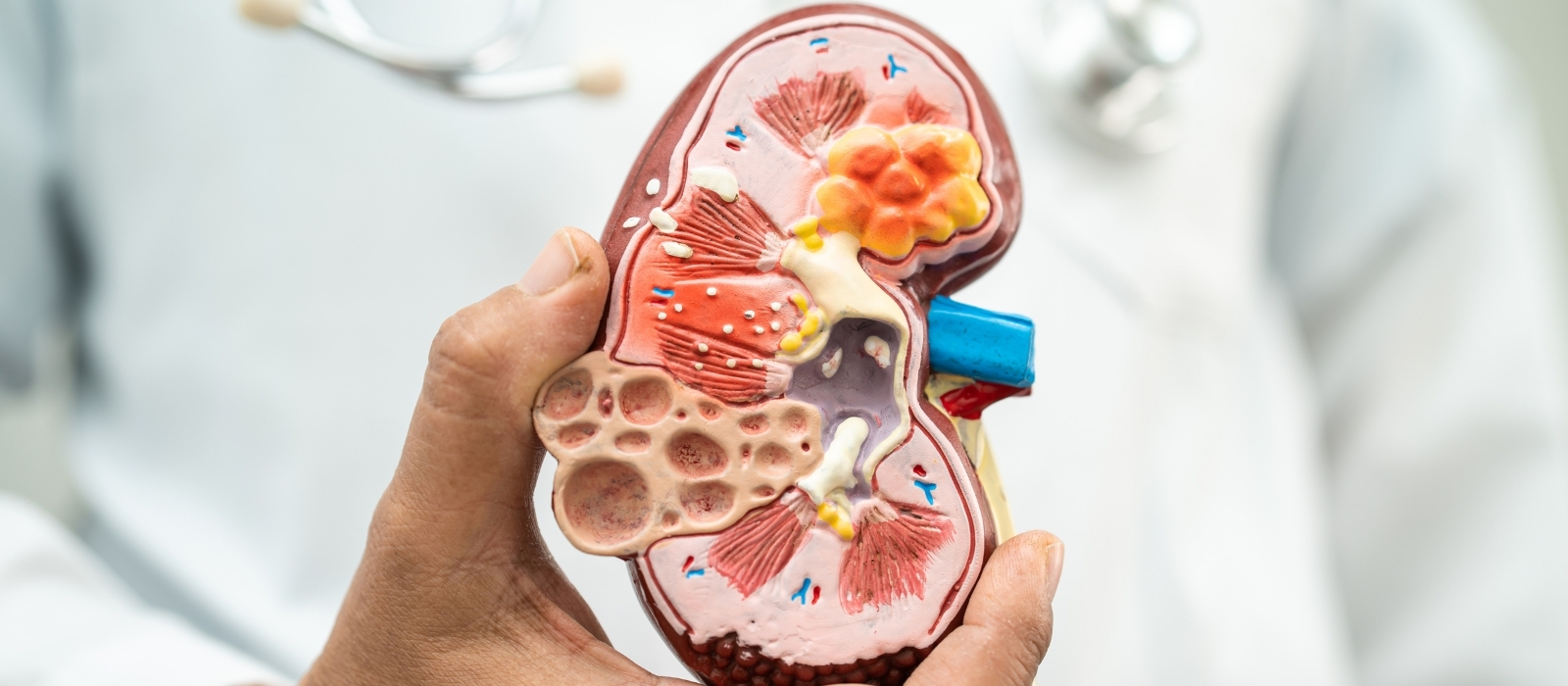
Leading Urologist and Surgeon- Effective Kidney Stone Relief in 48 Hours

Leading Urologist and Surgeon- Effective Kidney Stone Relief in 48 Hours
.jpg)
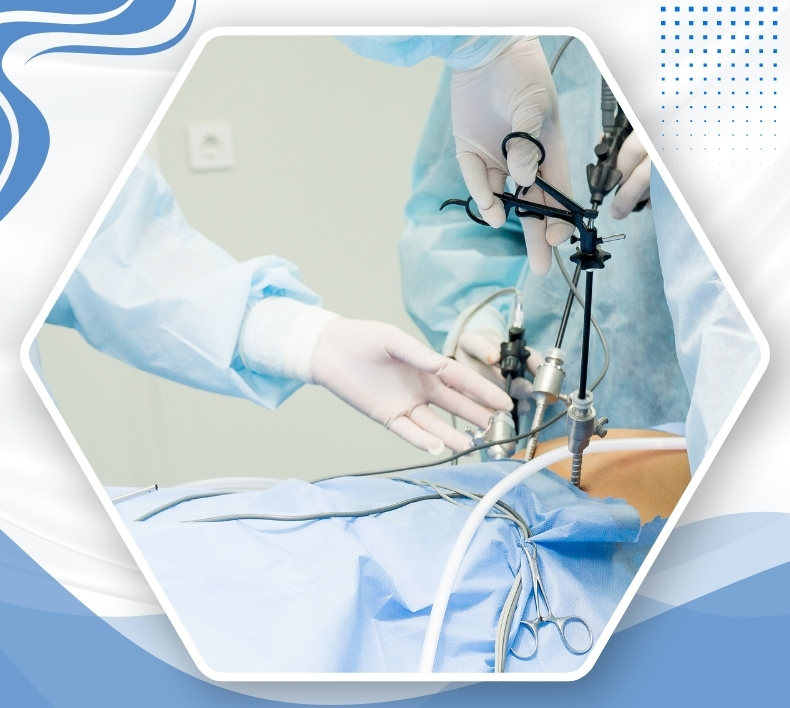
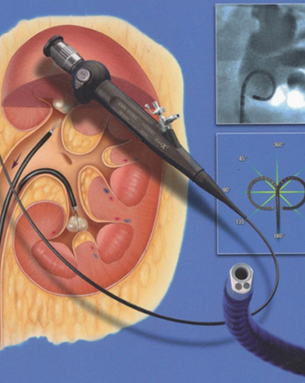
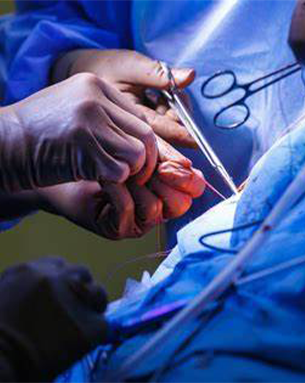
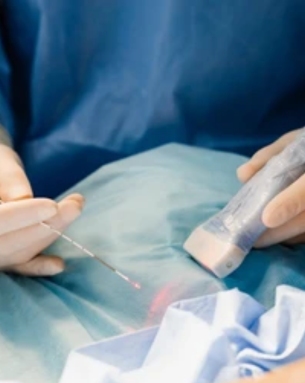
Laparoscopic and Laser Surgery for Faster Recovery Times

Quick, safe procedures with minimal downtime and discomfort
.jpg)
Specializing in Uro-Oncology, Minimally Invasive Surgery & Renal Transplantation

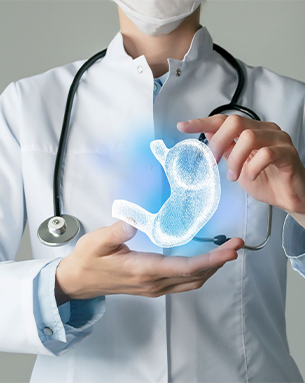
Focused care for complex abdominal and liver procedures
.jpg)
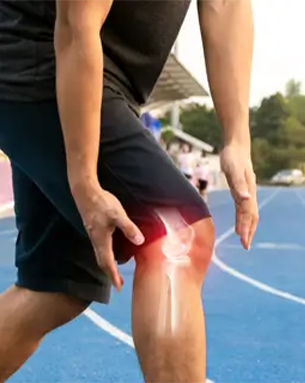
Skilled in arthroscopy, sports, and pediatric orthopedics

Handled by top surgeons using advanced surgical techniques
.jpg)
From trauma to joint care, all needs covered

Surgical Oncology Expertise Across Organ-Based Cancers


.jpg)


.jpg)

.jpg)

Cutting-Edge Surgical Departments For Advanced, Minimally Invasive Care
Expertise Across Disciplines, Comprehensive Care From Kidney Stones to Cancer Surgery


About Doctor

Urologist
.png)
General Surgeon, Laparoscopic Surgeon
.png)
Orthopaedic
.png)
General Surgeon
What our Patients says about us
Best thing of this clinic is location, doctor and the staff ,all are polite and very professional.
Had a great experience at Universal Urology. The doctors here are very knowledgeable and patient-friendly. They take time to explain everything and make you feel comfortable. Clinic is clean, staff is cooperative, and the overall service is excellent. Highly recommended for any urology-related concerns!
Dr. Hitesh is a compassionate and thoughtful urologist who truly takes the time to understand the root cause before beginning any treatment. His ability to explain complex medical concerns in simple, easy-to-understand language, never making the patient feel awkward or overwhelmed stood out the most for me. His approach is refreshingly holistic, often combining remedies that can be found in the kitchen with minimal use of medication
Dr. Hitesh kundu at universal urology is one of the best urologist I have come across. Very humble, experienced and professional. Gave the right guidance and treatment without unnecessary tests. Trustworthy clinic
Dr. Hitesh Ji is extremely polite and cooperative with his patients. He carefully listens to their concerns, thoroughly understands the underlying issue, and proceeds with the appropriate treatment accordingly.
Stay informed with our latest updates, posts, announcements, and healthcare news


What makes Universal Urology's Spine Surgery stand out in New Delhi?
Universal Urology is renowned for its excellence in multispecialty and minimally invasive surgical care, particularly in spine surgery. The clinic's advanced techniques, including robotic and minimally invasive procedures, ensure quicker recovery and less discomfort for patients. With a team of experienced spine surgeons and state-of-the-art facilities, Universal Urology provides comprehensive spine care, from diagnosis to advanced surgical interventions, ensuring optimal outcomes for every patient.
What advanced treatments does Universal Urology offer for urological conditions?
Universal Urology is a leader in multispecialty and minimally invasive surgical care, offering cutting-edge treatments for urological conditions. The clinic specializes in kidney stone removal, prostate surgeries, and pediatric urology using advanced methods like laser surgery and robotic procedures. These minimally invasive techniques reduce patient discomfort and recovery time significantly while improving surgical precision and outcomes, ensuring that every patient receives the most effective and efficient care available.
How does Universal Urology ensure quality care in Orthopaedic Surgery?
At Universal Urology, excellence in multispecialty and minimally invasive surgical care is a core principle, especially in orthopaedic surgery. The clinic's seasoned orthopaedic surgeons utilize the latest technology and minimally invasive techniques for joint replacements and sports injuries. Every treatment plan is crafted to provide personalized care, focusing on patient safety and rapid recovery. With a commitment to innovation and compassion, Universal Urology ensures that every orthopaedic procedure meets the highest standards.
How does Universal Urology utilize minimally invasive techniques in Oncological Surgery?
Universal Urology is at the forefront of multispecialty and minimally invasive surgical care, providing advanced oncological surgeries. The clinic's focus on minimally invasive techniques, including laparoscopic and robotic surgeries, ensures less pain, quicker recovery, and reduced hospital stays for cancer patients. Each treatment plan is tailored to the individual, combining state-of-the-art technology with a compassionate approach, to deliver safe, effective, and patient-centered cancer care.
What minimally invasive techniques are offered by Universal Urology's Laparoscopic and General Surgery team?
Universal Urology is dedicated to excellence in multispecialty and minimally invasive surgical care, offering a wide array of laparoscopic and general surgeries. The clinic employs cutting-edge techniques to perform surgeries with minimal incisions, effectively reducing recovery time and postoperative pain. This approach empowers patients to return to their daily activities swiftly. From gallbladder removal to hernia repairs, every procedure is designed to optimize patient outcomes through precision and care.
What role do gastrointestinal and cancer surgeries play in treatment plans?
Gastrointestinal and cancer surgeries are crucial for diagnosing, staging, and treating tumors within the digestive tract and other organs. They can be curative or palliative, aiming to remove cancerous tissues or relieve symptoms, respectively. Surgical intervention often follows a multidisciplinary approach, complementing chemotherapy or radiation. Techniques range from minimally invasive laparoscopies to radical resections, tailored to the cancer type, stage, and patient's overall health, optimizing outcomes.
How are robotic surgeries applied in hernia and gallbladder conditions?
Robotic surgeries for hernia repair and gallbladder removal provide precision and control through small incisions, offering benefits like less postoperative pain, decreased risk of complications, and shorter recovery times. For hernias, robotic techniques allow for precise placement of mesh and tissue repair. In gallbladder surgeries, robotic systems afford better visualization and maneuverability, leading to effective removal while minimizing trauma to surrounding tissues.
How does laparoscopic and bariatric surgery aid in weight loss?
Laparoscopic bariatric surgery assists in weight loss by restricting food intake and, in some cases, reducing nutrient absorption. Common procedures include gastric bypass, sleeve gastrectomy, and adjustable gastric banding. Using minimally invasive techniques reduces complications, speeds recovery, and minimizes scarring. These surgeries are part of a comprehensive approach involving diet, exercise, and lifestyle changes, addressing obesity-related comorbidities and improving overall health.
What are the typical procedures in general and breast surgeries?
General and breast surgeries encompass a wide range of procedures, from hernia repairs and gallbladder removals to lumpectomies and mastectomies for breast cancer. These surgeries aim to treat diseases, alleviate pain, and restore function. Advances in minimally invasive techniques, such as laparoscopic surgeries, offer benefits like reduced recovery time, smaller scars, and less postoperative pain, improving overall patient outcomes and satisfaction.
Why might a patient require spine surgery?
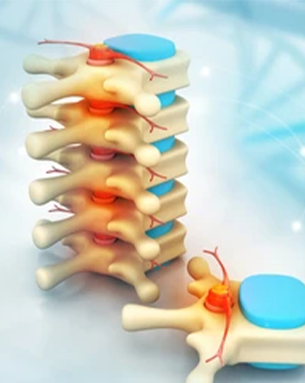
Spine surgery is needed when conservative treatments fail to alleviate spinal issues such as herniated discs, scoliosis, or spinal stenosis. It's also considered for spinal injuries or degenerative conditions causing chronic pain or nerve compression. Surgery aims to stabilize the spine, relieve pressure on nerves, and restore mobility. Techniques vary from minimally invasive procedures to complex reconstructions, depending on the patient's condition and overall health.
When is trauma surgery necessary?
Trauma surgery is essential in emergencies where individuals suffer severe injuries due to accidents, falls, or violence. It's critical for life-saving interventions, stabilizing patients, and repairing damage to internal organs, bones, or tissues. Surgeons work in high-pressure environments, often prioritizing to prevent further injury. Rehabilitation follows to aid recovery. Prompt and effective trauma care significantly improves the chances of survival and long-term health outcomes.
What is arthroscopy and how is it applied in sports medicine?
Arthroscopy is a minimally invasive surgical technique used in sports medicine to diagnose and treat joint issues. It involves small incisions through which a camera and special instruments are inserted. Commonly used for knee, shoulder, and ankle conditions, it's ideal for repairing ligaments, removing debris, or addressing cartilage damage. Arthroscopy allows quicker recovery and less scarring, making it a preferred method for athletes aiming to return to sports swiftly.
How is joint replacement surgery performed?
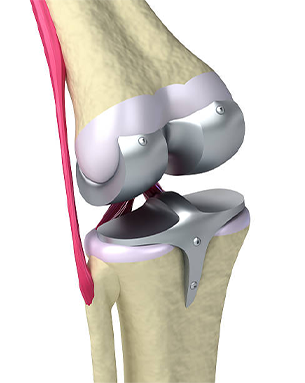
Joint replacement surgery involves removing a damaged joint and replacing it with an artificial implant. It's commonly performed on hips and knees due to arthritis or injury. Surgeons make precise incisions to remove the affected joint, prepare the area, and secure the new implant. Advanced techniques, such as minimally invasive approaches, aim to reduce recovery time, improve mobility, and alleviate pain, allowing patients to resume an active lifestyle.
What is involved in paediatric urology care?
Paediatric urology focuses on diagnosing and treating urological conditions in children, including urinary tract infections, congenital abnormalities, and bedwetting issues. This specialty addresses specific challenges in child development and often requires tailored surgical interventions like correction of hypospadias or treatment for vesicoureteral reflux. Paediatric urologists work closely with families to offer compassionate care and ensure a child's growth is uninterrupted by urological problems.
What are the benefits of laser surgeries in urology?
Laser surgeries in urology offer precision and minimal invasiveness, leading to benefits such as reduced bleeding, quicker recovery, and less postoperative pain. Common procedures include treating kidney stones, benign prostatic hyperplasia, and bladder tumors. Lasers like Holmium and Thulium are used to target specific tissues and minimize damage to surrounding areas. The treatment provides effective outcomes with lower risk of complications compared to traditional surgical methods.
What techniques are used in RIRS, URS, and PCNL for kidney stones?
RIRS (Retrograde Intrarenal Surgery), URS (Ureteroscopy), and PCNL (Percutaneous Nephrolithotomy) are advanced techniques for kidney stone management. RIRS uses a flexible ureteroscope to reach and treat stones within the kidney. URS involves using a thin scope through the urethra to access and remove stones. PCNL is a minimally invasive surgery for large stones, involving a small incision in the back to physically remove the stones.
What are TURP, HOLEP, and TURBT procedures?
TURP (Transurethral Resection of the Prostate), HOLEP (Holmium Laser Enucleation of the Prostate), and TURBT (Transurethral Resection of Bladder Tumor) are urological surgeries. TURP and HOLEP treat benign prostatic hyperplasia by removing prostate tissue obstructing urine flow. TURBT involves removing tumors from the bladder. These procedures are minimally invasive, often performed through the urethra, with shorter recovery times compared to open surgery.
What considerations are involved in kidney transplant surgery?
Kidney transplant surgery involves replacing a diseased kidney with a healthy one from a donor. Key considerations include donor compatibility, recipient health, and potential risks such as rejection or infection. Pre-surgery evaluations, matching blood types, and ensuring the immune system's readiness are crucial. Post-surgery, patients need lifelong medications to prevent rejection and regular check-ups to monitor kidney function and overall health.
How does robotic surgery benefit kidney, bladder, and prostate procedures?
Robotic surgery offers enhanced precision, flexibility, and control for kidney, bladder, and prostate procedures. With smaller incisions, patients often experience less pain, minimal blood loss, and quicker recovery. This technology is particularly beneficial for complex surgeries, allowing surgeons to perform intricate tasks with improved accuracy. Additionally, robotic systems provide better visualization of the surgical field, leading to improved outcomes and reduced risks of complications.
What is involved in kidney stone surgery?
Kidney stone surgery involves procedures to remove kidney stones that are too large to pass naturally. Options include Percutaneous Nephrolithotomy (PCNL), Ureteroscopy (URS), and Retrograde Intrarenal Surgery (RIRS). The choice of procedure depends on the stone's size, location, and composition. These surgeries can be minimally invasive, with shorter recovery times, and aim to alleviate pain and prevent complications from blocked urinary tracts.
How does Universal Urology ensure high standards in Laser Surgery?
Universal Urology excels in multispecialty and minimally invasive surgical care, particularly in laser surgery. By integrating laser technology, the clinic provides precise, effective treatments with minimal risk and recovery time. This technology is heavily employed in urology and dermatology procedures, ensuring minimally invasive solutions that offer superior results. At Universal Urology, each laser surgery case is managed with comprehensive care, prioritizing patient comfort, safety, and excellent outcomes.
No location data available for this clinic.
© Universal Urology 2025